The framing of this article is from the perspective of financial analytics, but I think it applies more broadly: “Why AI agents are like staff you can’t trust” |
https://bit.ly/4hJJJ06.
In engineering and technology development, losing credibility can be the end of one’s career, or at least the end of promotions. The risks are too great. We don’t put public and worker safety and the company’s viability in the hands of an intern, though interns can be valuable team members and can grow into that responsibility with time. Maybe AI models will, too, or maybe they never will, but for now, everything we let them do requires scrutiny.

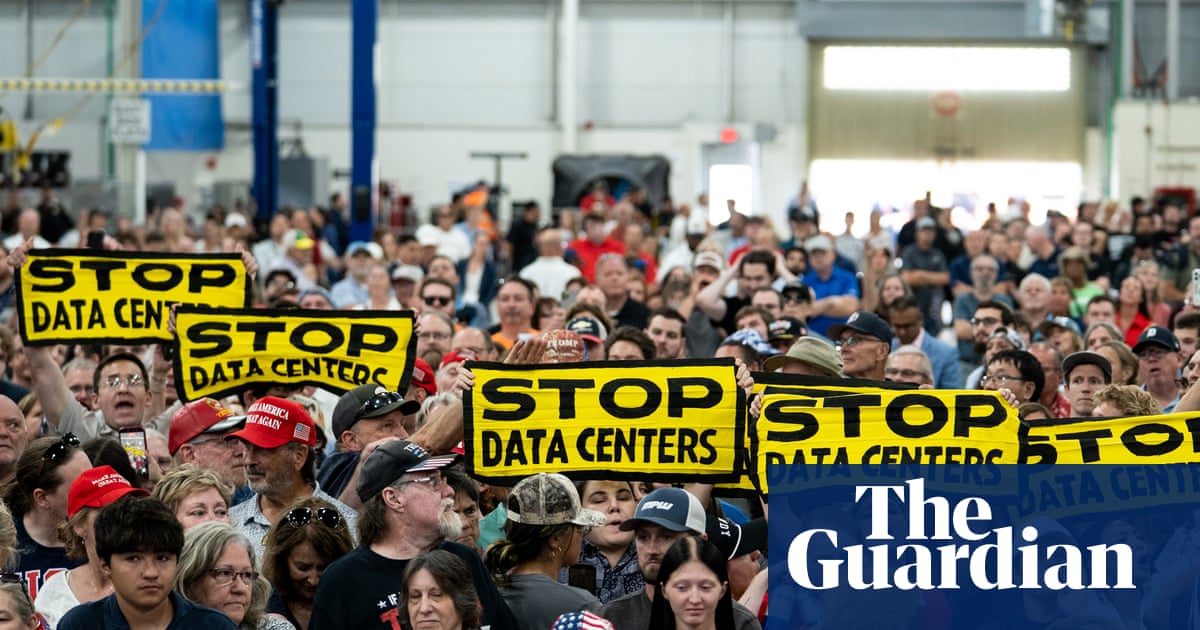
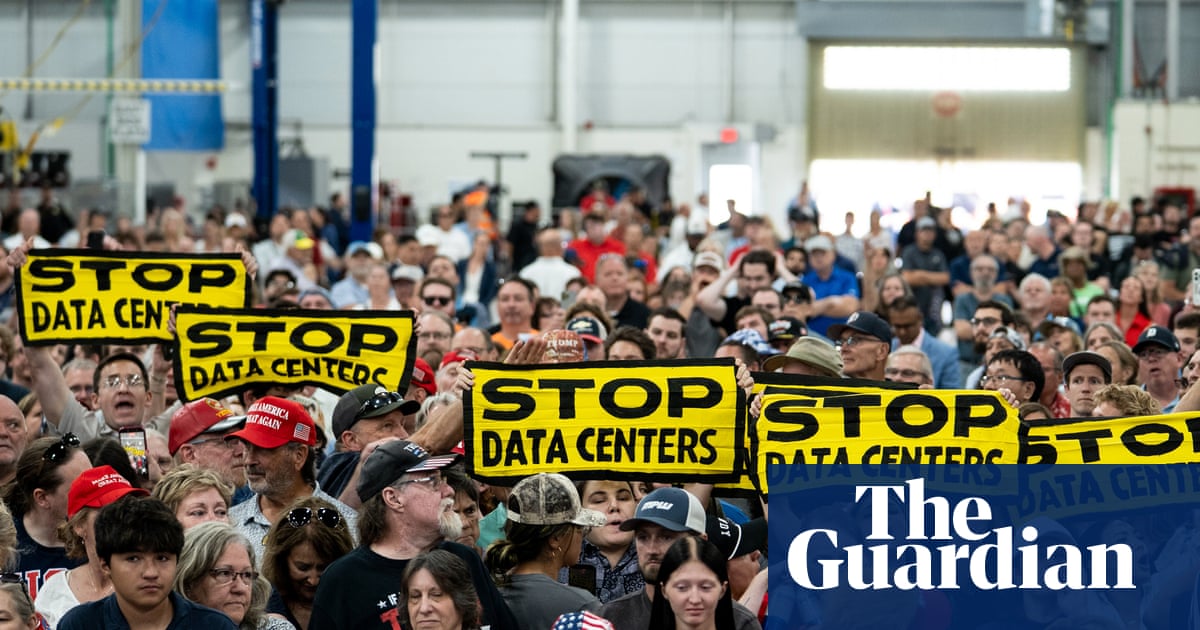
I guess the idea is that if air pollution data is not disclosed during the permit phase that there will be less opposition to the development and a greater chance of making the installation a fait accompli? |
https://bit.ly/4wSBtiU | not sure it really works like that | transparency is more congruent with sustained political support; companies should be clear on how they are mitigating the negative impacts, and ensuring that sufficient benefits are distributed locally as well
Reading over the NY RAISE Act (Responsible AI Safety and Education), I see it includes some good components such as requiring public publication of a “safety and security protocol” with requisite testing and reporting of certain “safety incidents”, but its definition of “critical harm” is an incident that causes “death or serious injury to 100 or more people or one billion dollars of damage”. Most risk management standards would call any human death “catastrophic” and require documented mitigations. And, many future specialized AI models may stay below the law’s threshold. So, this is fine as long as it is the start of conversation around AI regulation and not the end of it. |
https://bit.ly/3V6rVUg
The objective for environmental and EHS engineers is to find ways to make our technology less harmful and safer even in cases of failure like this F-16 crash. Hydrazine is toxic, but energy dense, and so is used in spacecraft thrusters and emergency power systems on military aircraft. Are there other, safer options? Probably, but they await development and testing that hydrazine already has or they have their own negative tradeoffs that we need to figure out how to mitigate. We need new engineers to dive in and help solve these problems. |
https://bit.ly/476YPH0
It is easy to discount the beneficial effect that transparency has on all sorts of problems. Publicly shared data leads to attention, which leads to solutions as people can collectively observe and advocate for improvements. End of US Embassy air quality reporting results in increases of 30% in pollutant concentrations. |
https://n.pr/4yLi5Wy
What’s with all the “frameworks” papers? I just searched web of science and google scholar and both found around 9,000 papers in the last 18 months that include both “AI” + “framework” in the title. There is a need for some of this, but this much? Are LLMs writing these papers?
This UN report (
https://bit.ly/4xnWUbG) finds that “every dollar invested [in actions to promote cleaner air] returns around 15 dollars, an internal rate of return of 60 per cent, with market returns exceeding costs within ten years.” Reducing exposure to air pollution pays off in better learning, higher productivity, reduced chronic disease, and longer healthier lives. The issue is that those paying the costs (industries and government and the people via taxes) and those reaping the benefits (individuals, different industries, and different parts of the government) are not the same people. The investment and positive returns are a society-wide phenomenon. That doesn’t mean that the benefits aren’t real, though. They are every bit as real and tangible as the costs of reducing pollution.
We shouldn’t be doom and gloom about this problem. Real, considerable progress has already been made in this area in most countries around the world, but there is a lot more that we can do that will benefit people today and for generations to come. It is largely up to government and international organizations to ensure the incentives are right.
“[Some] business leaders are accelerating the deployment of agentic artificial intelligence with ‘no idea how to manage risk.'”
The tools for risk management of any technology including new ones like agentic AI are similar: hazard analysis, failure analysis, probabilistic modeling, testing and validation, and quality control. This may be a whole new career pathway, and maybe we should be offering degrees for it, but there are skilled professionals out there already with the background and experience to assist businesses with managing their risks with agentic AI: safety and reliability engineers. | https://bit.ly/4xTVWoB
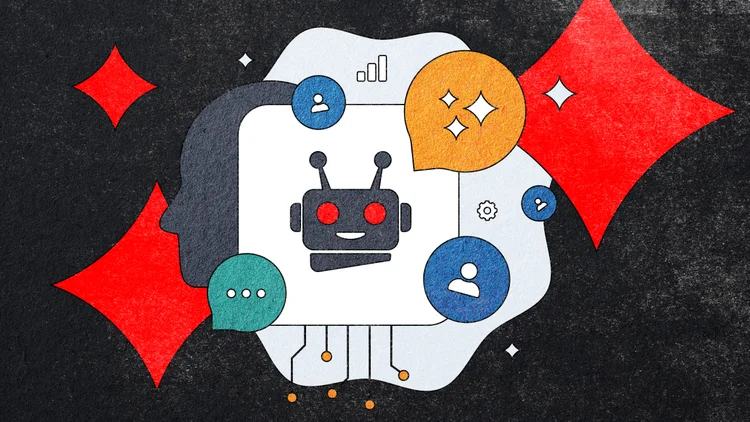
This effort to write a safety bill for AI really illustrates the problem of treating AI use as one issue. There are the issues associated with AI-provided content for underage users; there are the issues of using AI models in energy systems; there are the issues associated with AI-suggested harmful medical advice; there are the issues associated with AI use in transportation systems and vehicles; there are the issues associated with AI misuse in education. We don’t regulate human decisions in these diverse areas with one set of guidelines, or one set of risk management or training structures, so we don’t need to do that with AI either. But that doesn’t mean doing nothing. Congress needs to make sure the regulatory agencies have the tools they need to address this new technology. |
https://bit.ly/4yIfA7j
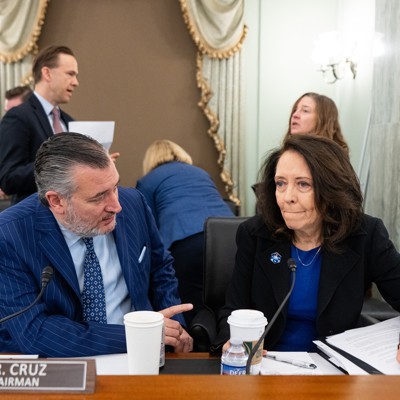
So, the main policy question for congress is what agency or agencies should regulate AI models and their uses in the US. My opinion is that agencies’ jurisdiction should cover AI use in their domains. FAA for aviation, NHTSA for automobiles, CPSC for consumer products, etc. No new AI regulator is needed. Just make sure they each have the necessary authority to develop rules, testing and validation protocols for their industry. Some kind of update to each agencies authorizing legislation may be needed plus direction and funding from congress to be sure this is initiated sooner rather than later. |
https://bit.ly/4h4kp3l

“AI Safety” to me looks like 6+ different problems wearing a trenchcoat. Some of these risks are likely ready for regulation, but others need a lot more investigation and soon. |
https://reut.rs/4yxPiUX

I guess the idea is that if air pollution data is not disclosed during the permit phase that there will be less opposition to the development and a greater chance of making the installation a fait accompli? |
https://bit.ly/4wSBtiU | not sure it really works like that | transparency is more congruent with sustained political support; companies should be clear on how they are mitigating the negative impacts, and ensuring that sufficient benefits are distributed locally as well
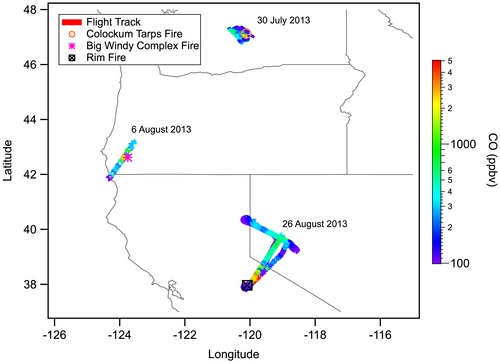
Ever wonder why, if wildfires cause so much negative air quality impact, prescribed burning, which also emits a fair amount of pollution, is mentioned as a primary mitigation for wildfires? Aren’t they doing the same thing? The answer is related to magnitude. This 2017 paper collected data on this subject:
https://bit.ly/4ctavXS. Wildfires, beyond their risks to life and damage to property, burn hotter and longer (as if years of potential prescribed burns happened all at once, with greater intensity, and more complex chemistry) than prescribed burns generating more pollution per unit of land area, lofting that pollution higher in the atmosphere, and affecting a wider area. Mitigating the human health impact of a prescribed burn is easier, more local, and less disruptive.
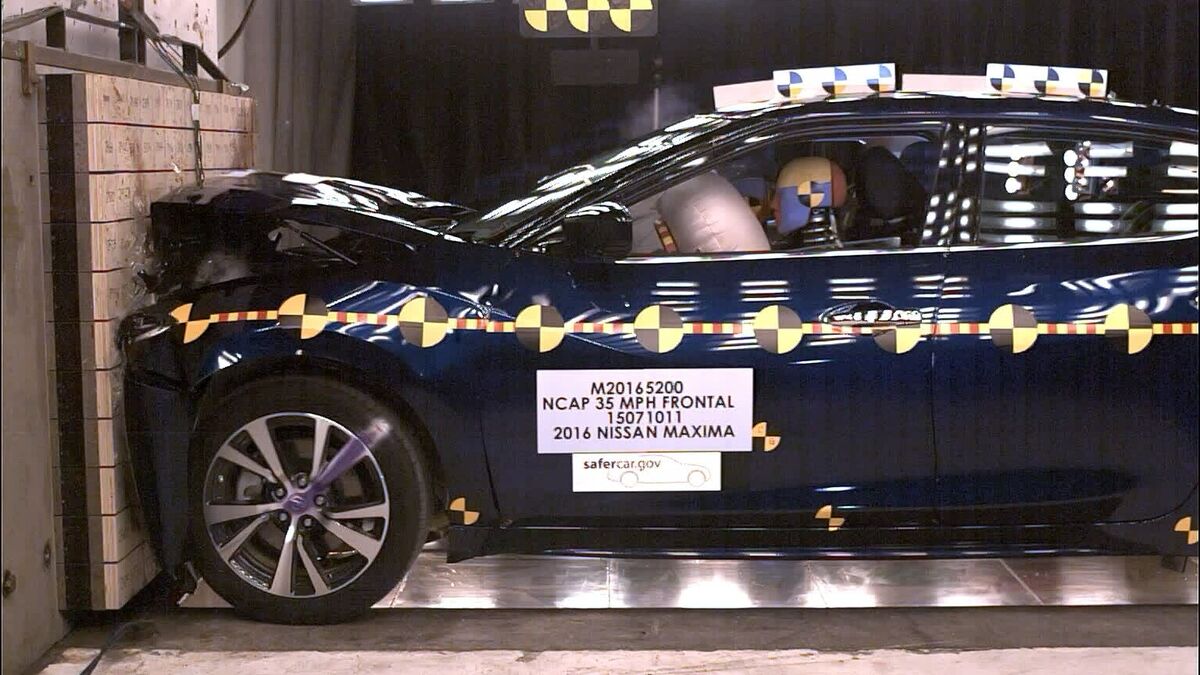
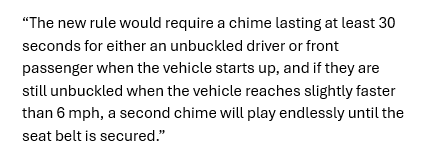
Seatbelt chimes increase seatbelt usage and reduce the severity but not the probability of car crashes. A rule to require the reminder for passengers set to be implemented this month has been delayed two years. Not sure I buy the industry argument on complexity, as this seems to have already been resolved, but it is true that people don’t like it and it gets public/customer pushback. Seems reasonable to me considering that we share the costs of health care for severe injuries. |
https://wapo.st/4gWS13k
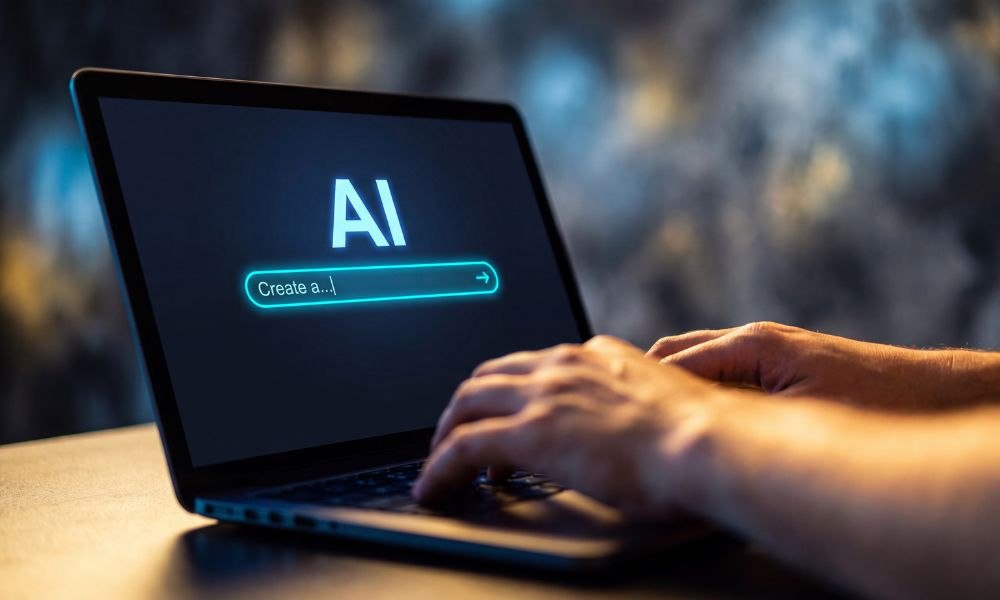
I think responsible AI use in EHS depends mostly on personnel with sufficient training and skills to know when AI is being employed, how it is being employed, and when that AI is off track. With AI increasingly built into all kinds of applications, it can be challenging but trusting it with our safety in these kinds of roles is still a way off. |
https://bit.ly/4qXy5BW
Real time hazardous gas detection is a hard problem at the moment, and a hole in our real time response, where we could have HVAC systems respond in the moment to maximize indoor air quality. We can monitor many organic gasses or VOCs in real time, but not very specifically using low-cost technology (most sensors respond to some degree to all organic gasses and vapors). And all VOCs are not the same. Some are readily tolerable while others are highly toxic. Better, more specific real time hazardous gas sensors are a potential high return area for technology development research, improving public health in most structures where we spend our time. |
https://bit.ly/4x1rFDe

History teaches people to be rightly wary of this. Releasing treated oil and gas wastewater into streams has a few main issues: (1.) process failures result in untreated water being released into the stream, or (2.) capacity failures like floodwater inundation result in the release of contaminants into the stream. These are not insurmountable problems if the local risk management rules are clear and specific like they usually are for water quality. The alternatives are underground injection or no-discharge treatment facilities and these each have their own risks. |
https://bit.ly/4x6qp1v
There is [maybe not] surprisingly little research on AI use in the field of EHS and related professions. The potential upside is increasing the rate of learning by personnel and increasing efficiency on the menial tasks of the job, maybe even improving decision making on risk mitigation. Downsides could involve losing touch of the ethics and risk attentiveness that make EHS personnel critical to any organization and introducing blind spots into risk management. |
https://bit.ly/4wUAZsw
Want to investigate how AI models could impact EHS recommendations and risk management decisions? Get in touch! This topic needs a lot of attention, and it needs it right now.

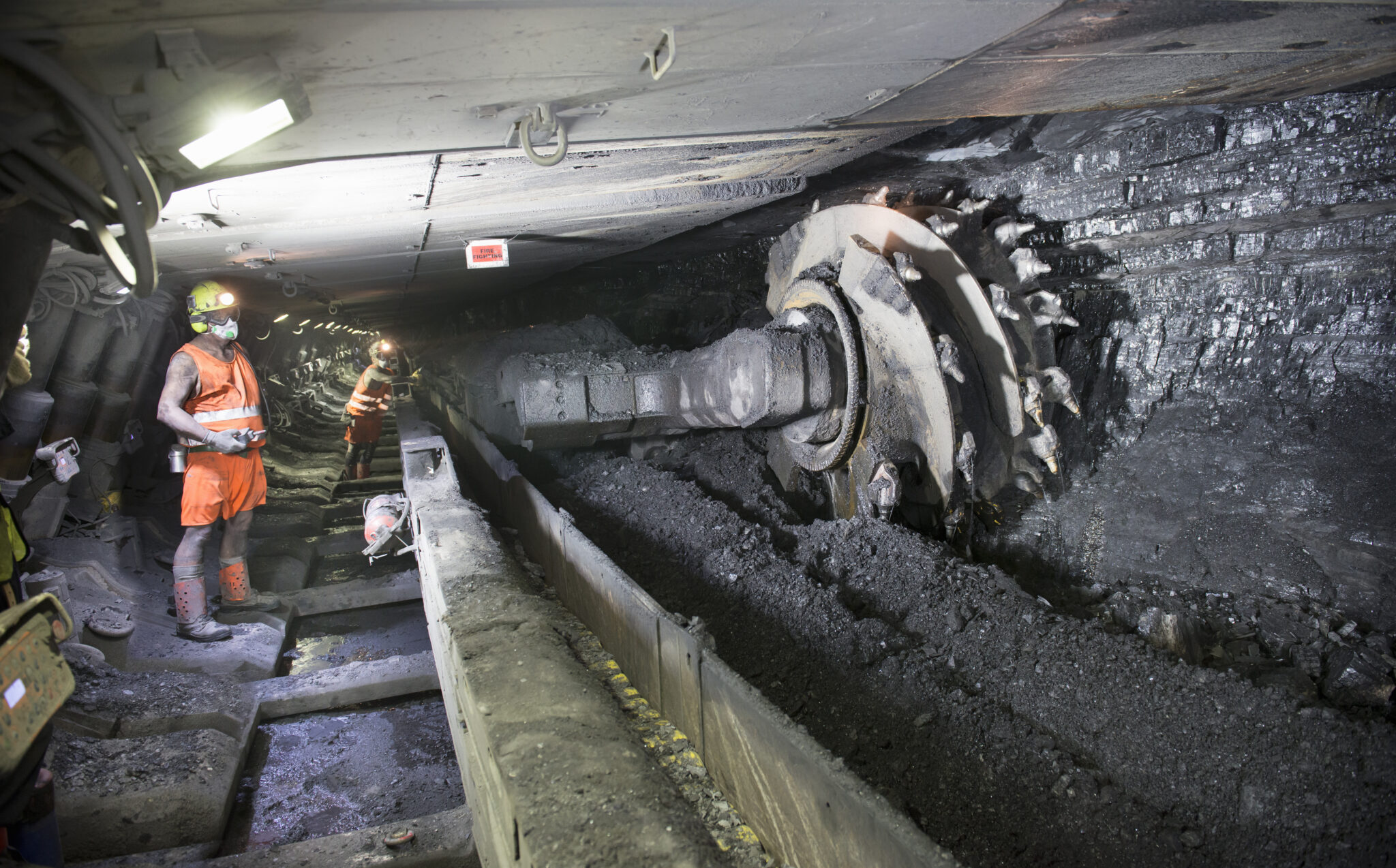
Black lung disease in US coal miners is a persistent problem, not one of the past. Before NIOSH staff were cut by 90%, I sat in meetings and presentations to discuss this issue with them. Increased silica content in the coal dust is a contributing factor along with some technological changes in the industry. It is solvable problem however, and both congress and the power companies need to address it. We should not sacrifice the health of workers just to keep the lights on. |
https://bit.ly/4xsjG2Y